Stack n' Scroll

Code, Campaigns, and Lessons from the Digital Realm

June 2026
S M T W T F S
 123456
78910111213
14151617181920
21222324252627
282930  
« May   Jul »

Meta

  • Register
  • Log in
  • Entries feed
  • Comments feed
  • WordPress.org
Frank Jamison Avatar
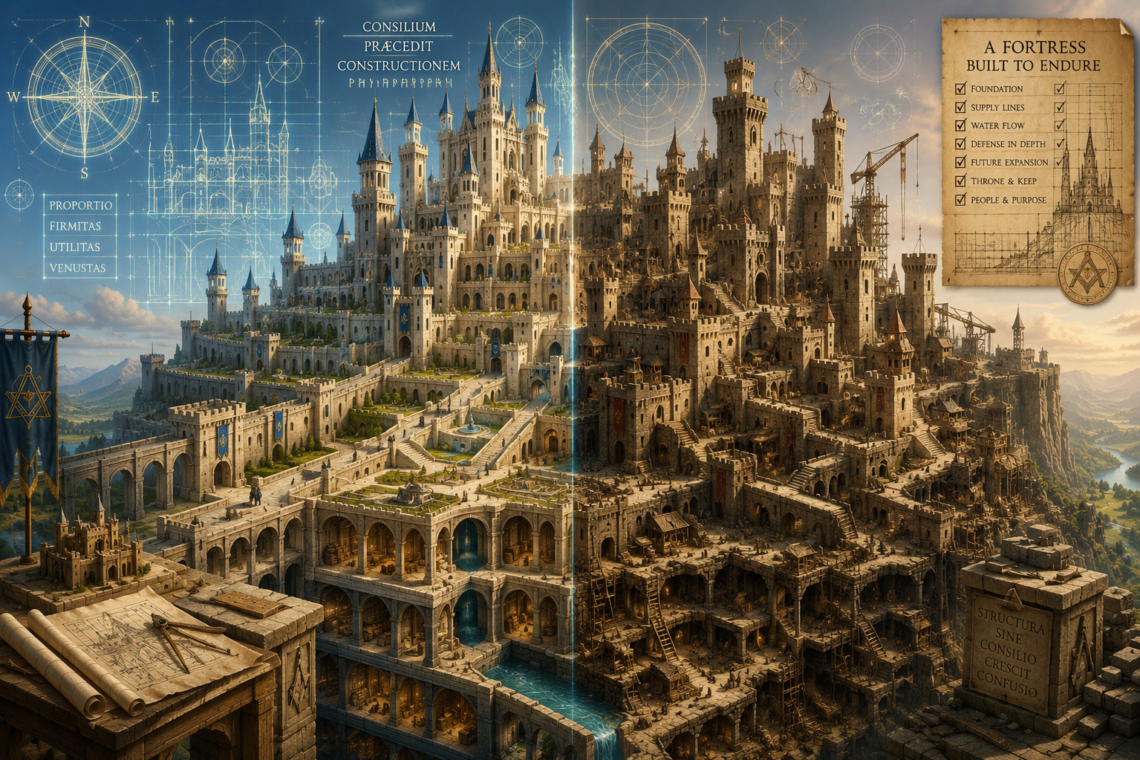
  • A vast medieval fantasy castle dominates the landscape, split into two contrasting halves to illustrate the importance of architectural planning. The left side features a beautifully organized fortress with symmetrical towers, interconnected courtyards, bridges, aqueducts, and orderly roads, overlaid with glowing magical blueprints, surveying grids, compass roses, and geometric construction diagrams. The right side remains impressive but is visibly less organized, with awkward tower placement, inefficient stairways, conflicting roads, and haphazard expansions that suggest growth without an overall plan. Artistic cutaway sections reveal deep stone foundations, underground chambers, drainage tunnels, and structural supports extending into bedrock. Tiny builders and stonemasons emphasize the immense scale of the castle, while warm morning light highlights the contrast between intentional design and organic growth, visually representing the role of software architecture in creating maintainable, long-lasting systems.
    The Architect's Grimoire

    Why Castles Need Architects

    June 29, 2026 /

    Even the finest builders need someone who can see beyond the next wall. Foundations of the Kingdom Maintaining software taught me lessons that writing software never could. Early in my career, I assumed difficult applications were usually the result of poor programming. Whenever a simple change required hours of investigation, I expected to uncover careless decisions, rushed deadlines, or code that had simply been neglected for too long. The more systems I inherited, however, the less convincing that explanation became. Different companies, different teams, and different programming languages produced remarkably similar maintenance problems. As we begin Foundations of the Kingdom, one lesson rises above all the others: every enduring kingdom…
    Read More
    Frank Jamison

    You May Also Like

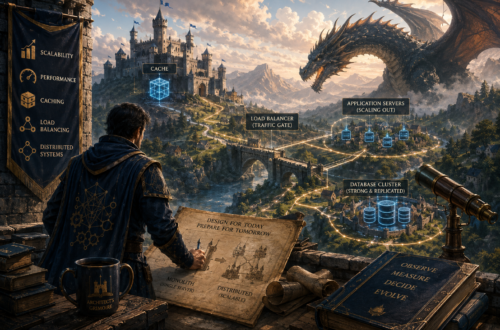
    A sprawling medieval fantasy kingdom stretches across a lush valley, with a fortified castle serving as the central hub of an expansive network of roads, bridges, and satellite settlements that symbolize a scalable software architecture. A massive dragon circles above the kingdom, representing the challenges of system growth, while an architect studies detailed plans from a stone overlook in the foreground. Glowing pathways connect infrastructure throughout the realm, illustrating concepts such as load balancing, distributed systems, caching, and scalable services. The scene emphasizes thoughtful planning, resilient infrastructure, and measured expansion through richly detailed architecture and environmental storytelling, using a classic Dungeons & Dragons-inspired aesthetic to visualize modern software engineering principles.

    The Dragon Named Scale: Building Systems That Grow

    July 13, 2026
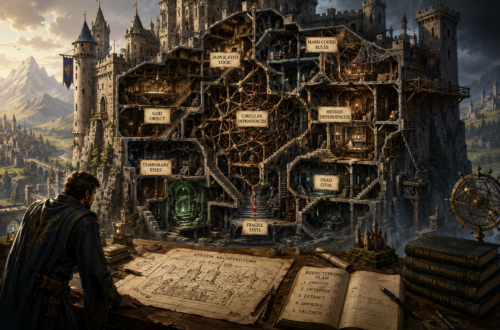
    A detailed fantasy castle is shown in cross-section, revealing a maze of interconnected rooms, stairways, hidden passages, and structural layers that symbolize the complexity of a long-lived software system. At the center, tangled corridors and web-like connections represent circular dependencies and hidden coupling, while workshop-like chambers illustrate concepts such as duplicated logic, hard-coded rules, temporary fixes, fragile tests, dead code, and hidden dependencies. In the foreground, an architect studies blueprints and a refactoring plan spread across a drafting table, surrounded by engineering tools, manuscripts, and architectural diagrams. The surrounding kingdom is orderly and well maintained, contrasting with the increasingly convoluted interior of the castle. The painterly, Dungeons & Dragons-inspired editorial illustration uses fantasy architecture to represent technical debt, legacy systems, refactoring, and the challenge of maintaining software that has grown through years of incremental change.

    Hidden Traps in the Dungeon: Escaping Technical Debt

    July 15, 2026
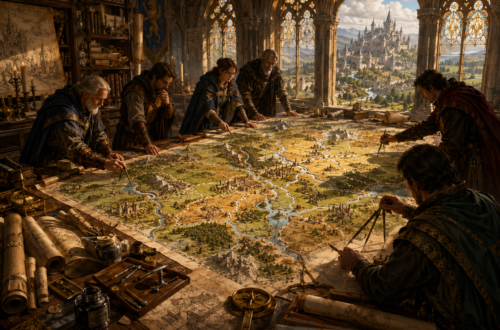
    A group of royal architects and cartographers gather around a massive illuminated kingdom map inside an ornate medieval planning hall. Using compasses, rulers, and drafting tools, they carefully define provincial boundaries that follow rivers, mountains, and trade routes. Shelves filled with scrolls, blueprints, and surveying instruments surround the room, while stained-glass windows reveal a thriving kingdom beyond. The detailed fantasy scene symbolizes thoughtful software architecture by illustrating the deliberate planning and organization required to establish meaningful boundaries within a growing system.

    Dividing the Kingdom: Finding the Right Boundaries

    July 8, 2026
  • The Architect's Grimoire (13)
  • The CSS Codex (13)
  • The Enchanted Workshop (13)
  • The Full-Stack Campaign (8)
  • The Guildmaster’s Handbook (13)
  • The Kingdom in the Clouds (9)

AI-Assisted Development Artificial Intelligence Backend Development Career Development Clean Code Cloud-Native Architecture Code Quality CSS Architecture CSS Best Practices Design Systems Developer Growth Developer Productivity Distributed Systems Dungeons and Dragons Engineering Culture Engineering Judgment Engineering Leadership Fantasy Theme Front-End Development Frontend Development Full Stack Development Human-AI Collaboration Maintainable Code Maintainable CSS Mentorship Professional Development Professional Growth Refactoring Responsive Design Software Architecture Software Craftsmanship Software Design Software Development Software Engineering StackNScroll System Design Technical Debt Technical Leadership The Architect's Grimoire The CSS Codex The Enchanted Workshop The Full-Stack Campaign The Guildmaster's Handbook The Kingdom in the Clouds Web Development

Stack N' Scroll - 2026 ©