-
Becoming the Developer You Once Needed
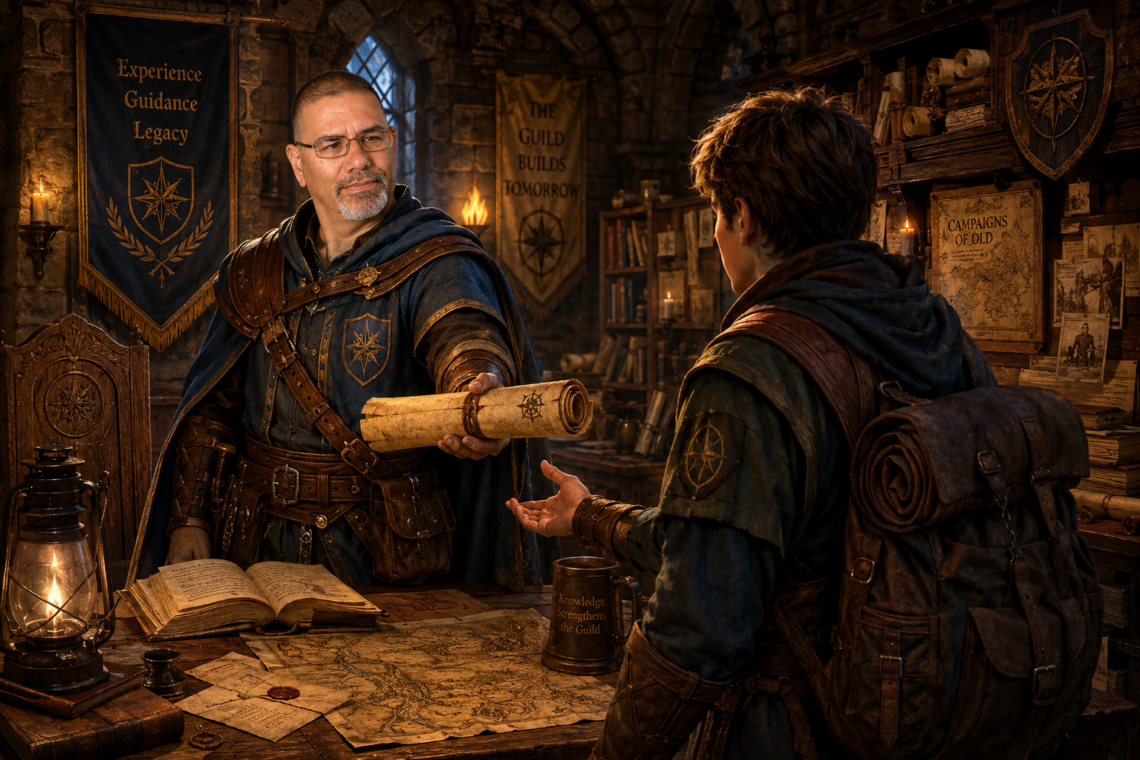
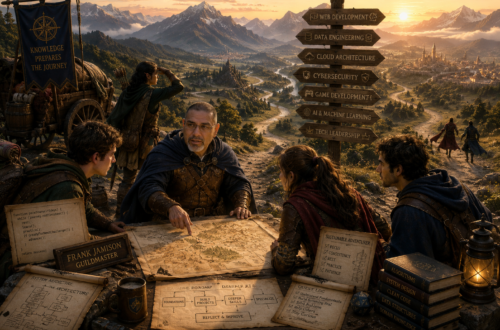
The greatest guides are often those who remember what it felt like to walk alone. The Veteran at the Tavern Table One of the most surprising lessons I have learned throughout my career is that software development is not ultimately about software. The code matters. The systems matter. The architecture matters. Yet when I look back on the people who changed my career, I do not remember them primarily because of the software they built. I remember them because of the guidance they provided when I needed it most. Over time, I came to realize that the final stage of becoming a developer is not mastering technology. It is becoming…
-
Interviews Without Panic Damage
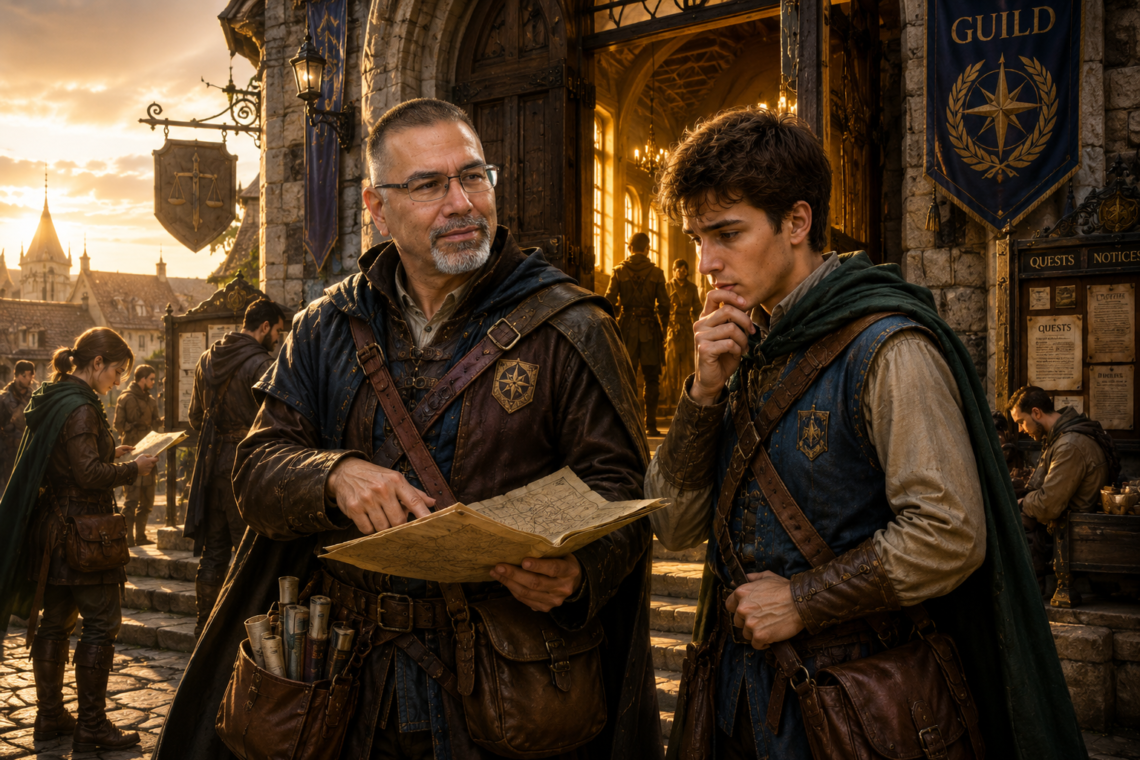
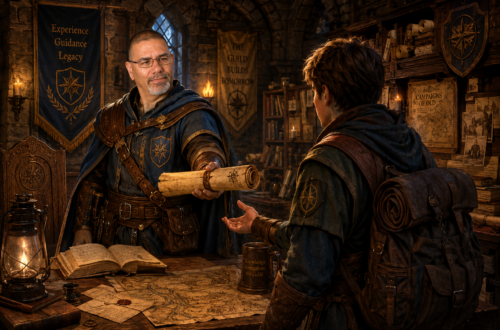
Confidence is not knowing every answer. It is learning to stand steady when questions come. The Interview Hall Awaits I have seen more developers wounded by interview anxiety than by technical difficulty. Throughout my career, I have watched capable developers walk into interviews carrying more fear than the encounter deserved. They had built projects, solved real problems, learned difficult tools, and survived the long grind of becoming employable in a field that rarely hands out easy victories. Yet the moment the interview began, they treated the conversation like the final chamber of a cursed dungeon. Every question sounded like a trap, every pause felt like judgment, and every imperfect answer…
-
Building a Portfolio Worth Showing
Good work deserves witnesses. Build proof of the journey, not merely trophies. Every Adventurer Needs a Record of Their Journey One of the most common mistakes I see newer developers make is treating a portfolio as something they will build someday. They imagine a future version of themselves who has completed enough projects, learned enough technologies, and accumulated enough experience to finally deserve a public showcase. Until that day arrives, they keep their work hidden inside repositories, forgotten folders, abandoned cloud accounts, and unfinished side projects. Unfortunately, that approach creates a serious problem. By the time they decide they need a portfolio, much of the journey that would have made…